Adopting a Dog in Italy
Guide
2022
In September 2020 I finally had my little Pepper at home in Milan! I had been dreaming of the day I could be a dog mom again for four years, since the passing of my previous dog, Odie. My life was finally stable enough to be able to provide a good, safe and stable home for a dog. When I made the decision to start browsing to adopt I hit the same speed bump that I hit with everything in Italy: bureaucracy.
This is a guide on what to expect when adopting a dog in Italy, specifically in Lombardia, where I live and it is easiest to adopt. In the south of Italy there is a serious problem with over-population of dogs and many live on the street or end up in shelters. Most shelters in the south will only adopt out to people who live in northern Italy in order to (I assume) control the situation in the south.
I started the adoption process in the age of COVID-19, so almost everything was done online and I didn’t even meet Pepper until the day she arrived at my home to live with me. This is apparently pretty normal, I don’t think it would have been a different process outside of the pandemic because she was coming from so far away. From the time I saw the listing for Pepper to when she arrived at my home was relatively quick, less than two weeks. However, I had been trying for several months and applied for several dogs before her with no luck and was surprised at how competitive it could be to snag your ideal pup.
Why Adopt?
I will always advocate for people to adopt dogs and not buy “purebred” or from puppy stores. If you are not already well-educated on the topic: stores that sell puppies get their “supply” from breeding farms where a female dog spends her entire life suffering to provide an endless stream of puppies to be sold in the stores for profit, when she is no longer able to provide puppies she is abandoned. There is no need for these puppies to be born and sold when there are so many beautiful dogs (even puppies!) sitting in shelters.
The arguments against buying purebred dogs from breeders are pretty easy to make. First of all, it is going to cost you a lot more, fees for adopting a dog can range from zero to less than €100; meanwhile, purchasing a purebred dog can cost hundreds, if not thousands of euros. What do you get for all that extra money? Pretty much nothing; purebred dogs have shorter life expectancies and depending on the breed they are significantly more likely to contract many different cancers and other health problems and have shorter life expectancies. If you need a more shallow argument; dogs of “pure” breeds look identical (that’s the point), and your dog won’t have a unique look. You can tell me that your Yorkie is cute, but you don’t need to show me photos because I’ve seen a million identical Yorkies (not hating on Yorkies, just an example).
Considerations
If you have not had a dog before, I would advise considering a few factors before just jumping in and adopting any cute dog you see, this can help ensure that you and your future fur baby both have optimal happiness and comfort.
What kind of home do you have?
I live in a modest two bedroom apartment so I knew I didn’t want a large dog that needed a lot of space, it would be cramped and the dog would become frustrated. I specifically searched for small-to-medium sized dogs. If you have a house with a yard your options are much wider! If you really love large breeds but live in an apartment, try to find a dog with a super lazy personality, it can still work out!How much energy do you have to commit to exercising your dog?
Some breeds are very high energy and require more than an hour of exercise every day, if you are more of a couch potato and want to stick to one or two low-key walks a day, try to find a dog whose personality matches that criteria. If you get a high energy dog and don’t take it out enough and play with it enough he or she will take our that excess energy on your home and may become destructive.Do you have coat preferences?
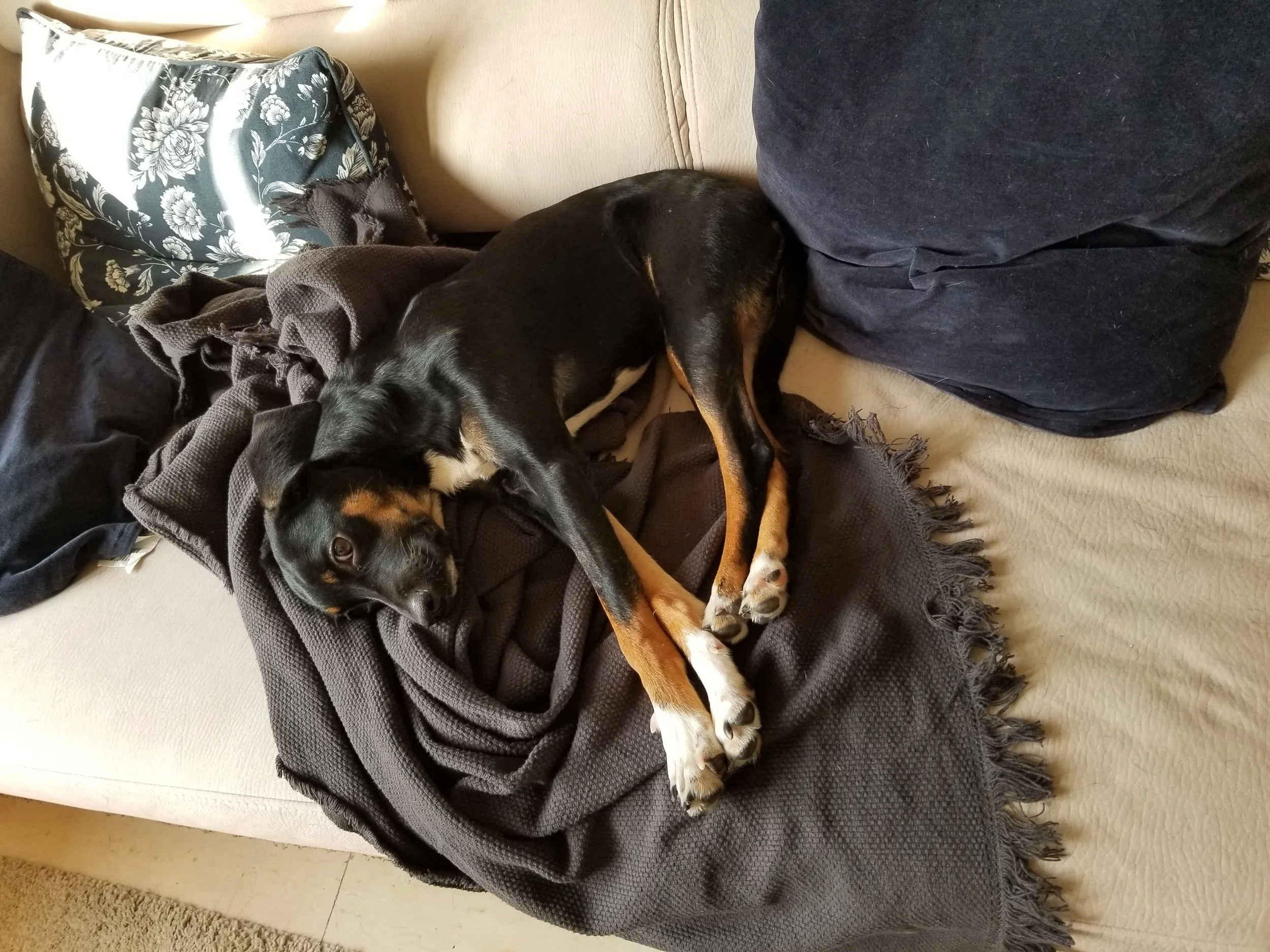
Some breeds are beautiful and have great personalities but it is important to recognize that not all coats are alike. I worked in a grooming salon for two years, so I was acutely aware of how much work and money are invested into certain dog coats. Some dogs (think Shih Tzu, Yorkshire Terrier, Poodles, etc) require regular haircuts (every 6-8 weeks). This is non-negotiable if you have one of these dogs, and the cost can add up. Other breeds don’t need haircuts but still have high maintenance coats, especially in the summer when they start to shed (Siberian Huskies, German Sheppards, Labradors, etc). None of these are “bad” traits in a dog, it is just important that you be prepared to provide the necessary care to whomever you adopt. I have seen a lot of people adopt Huskies and German Sheppards when they were trendy and then abandon them when they started to shed or became full size because they hadn’t done any research on what to expect of their dog.On that note, ALL DOGS with fur shed at least a little bit year-round, even Pepper leaves her spiky little hairs all over the couch in what feels like an endless summer shed, it’s part of the package.
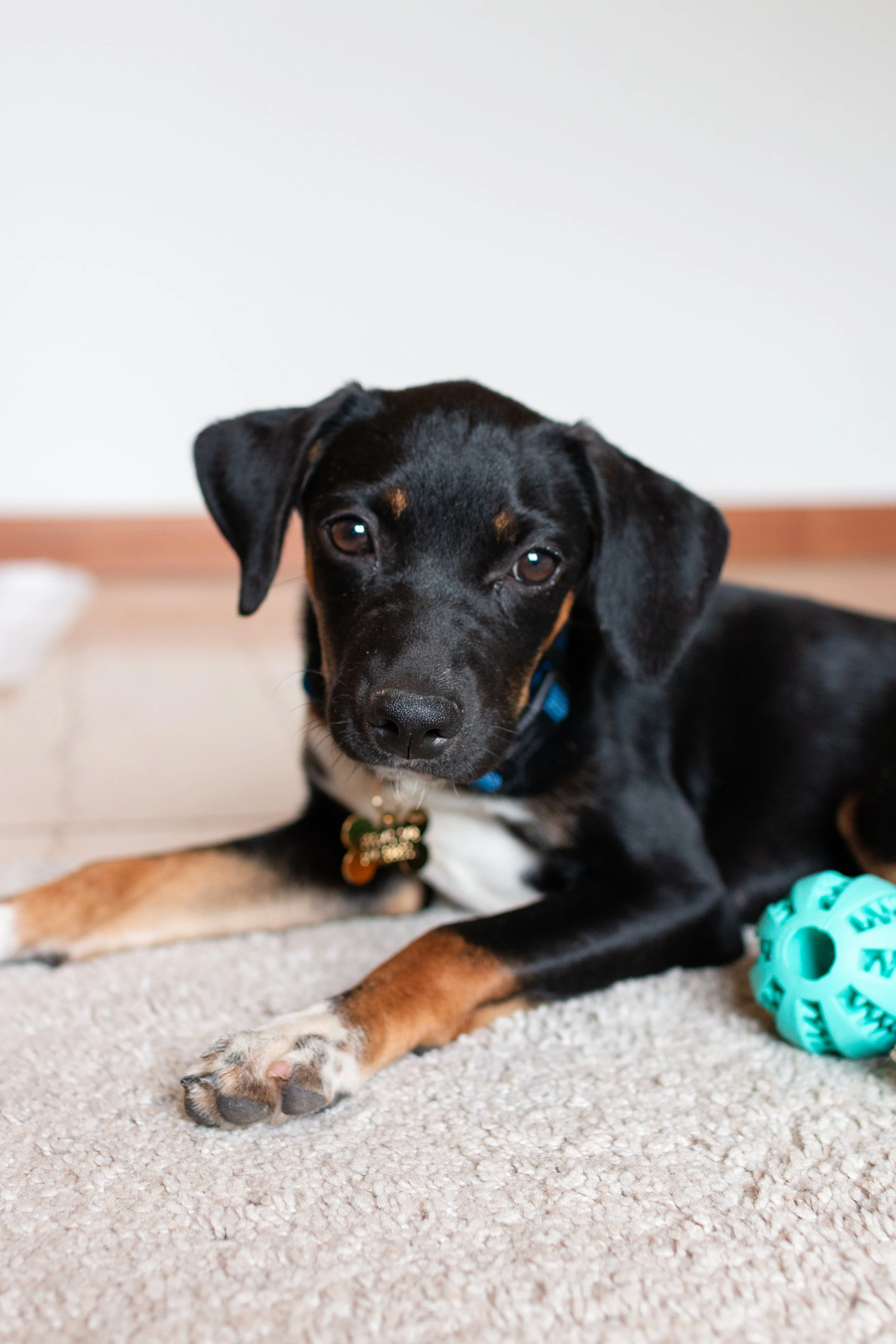
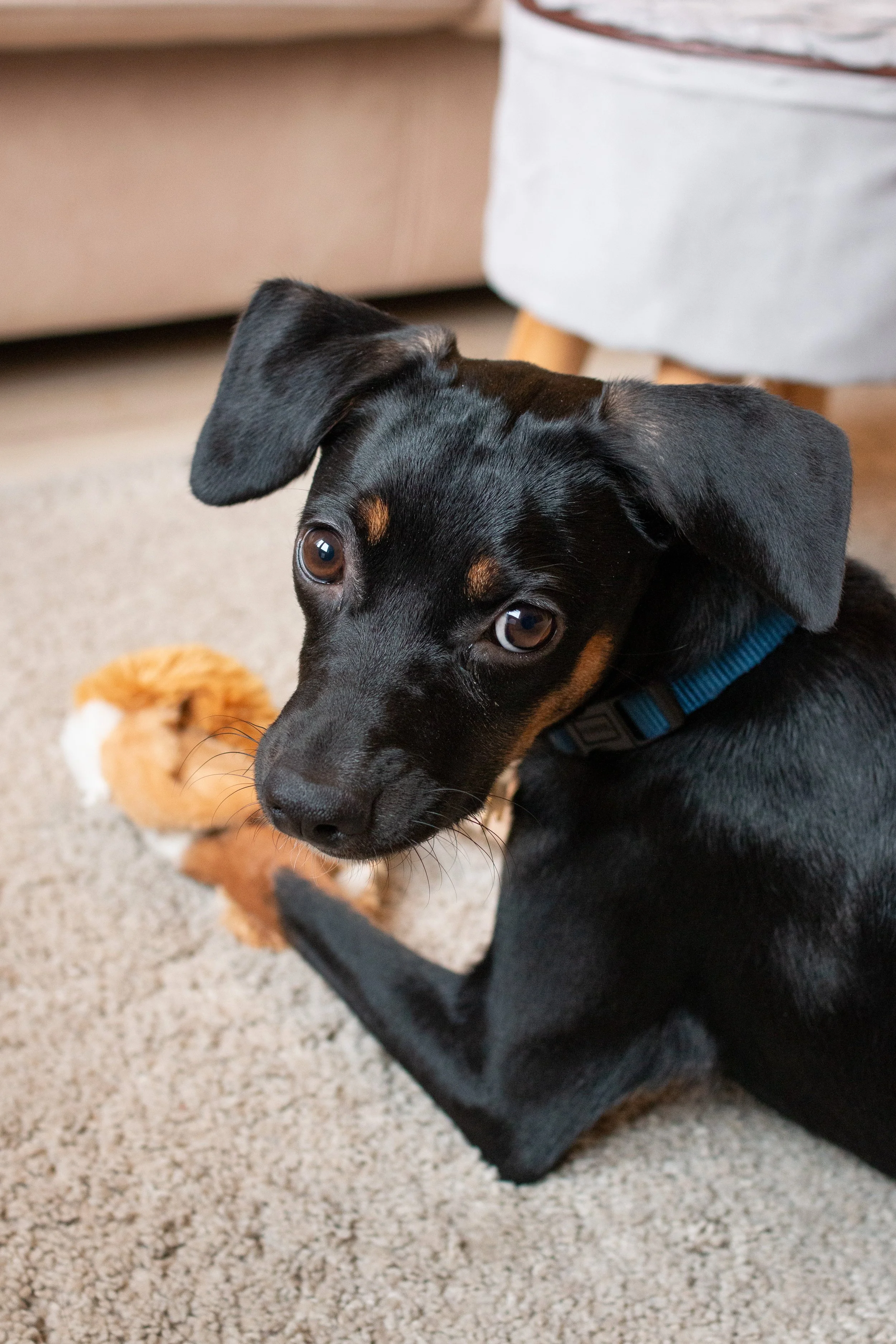
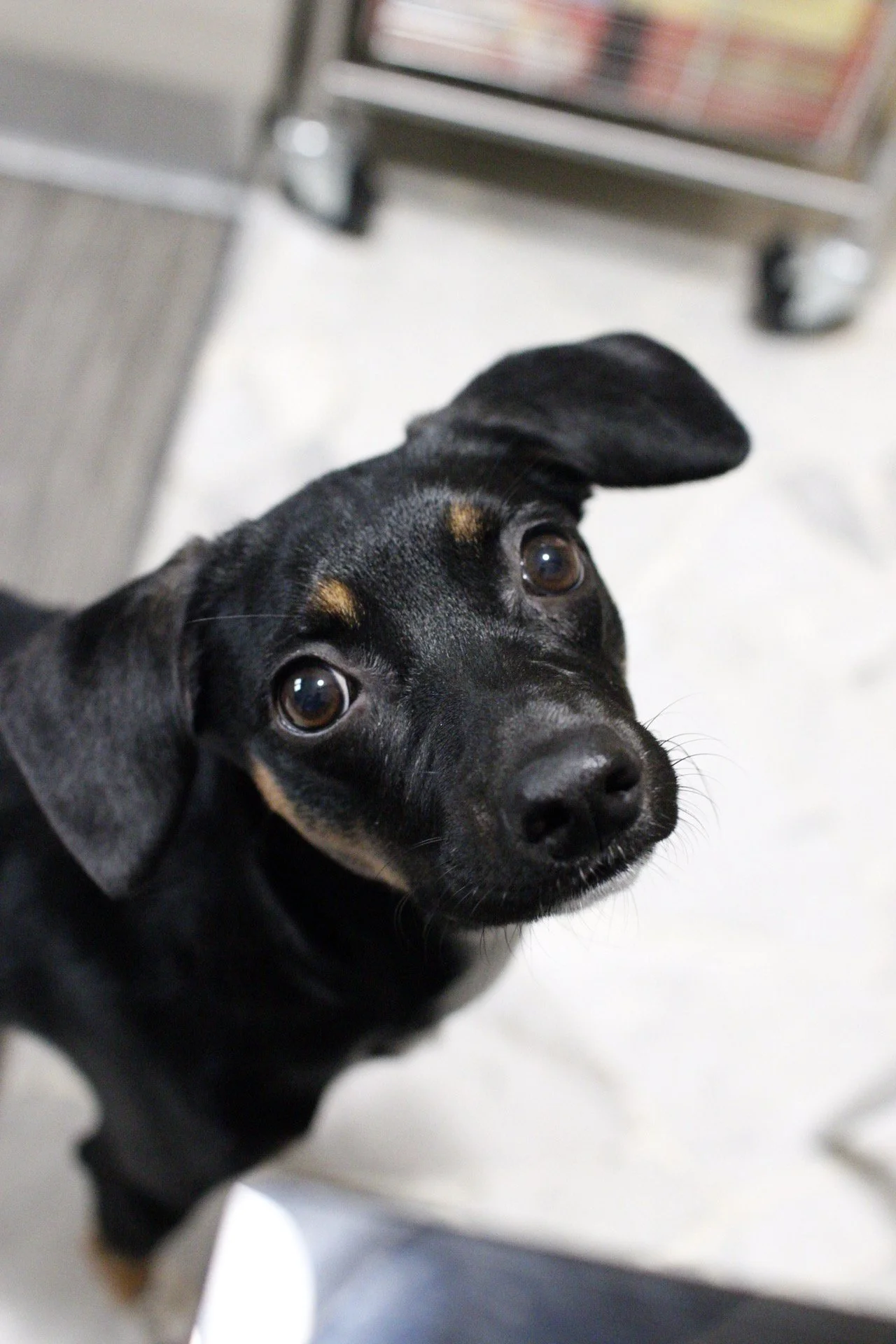
My first day with Pepper, four months old.
Step 1: Where to Find Dogs
Because I didn’t start to seriously search for a dog to adopt until the time of Covid, it wasn’t possible to just show up in-person at a shelter, you need to make an appointment and most are located quite far outside of the city. I never ended up finding a shelter nearby that had any dogs small enough for an apartment, but they did have really great-looking larger dogs, and I found most website to be outdated. Apparently, because of Covid there is a substantially higher than normal demand for dogs at the moment, so I repeatedly requested information from websites or Facebook pages and filled out questionnaires just to find out that the dog was already adopted.
I ended up finding a gold mine for dogs to adopt via a Facebook group called “Adozioni Milano: Cuccioli taglia piccola/media/grande”. Small shelters from all over the country post dogs that they have available for people in Northern Italy to adopt. Dogs are posted as soon as they are received from a shelter, or they will repost dogs that haven’t yet been able to find homes.
Websites for shelters in the Milan area:
Comune Canile (they don’t post dogs but you can email to make an appointment to visit)
Cagnolini in Adozione Lombardia, Emilia Romagna, Venato (Facebook group)
@mariaantoniettamenchise_ on Instagram
Step 2: Contact + Questionnaire
When you see a dog you think would be a great fit in your home, immediately contact the person who posted or the organization, dogs get snatched up very quickly and you don’t want to miss them because you thought you would just message them tomorrow. I contacted the woman who posted Pepper (at the time she was named Paffy) that afternoon and in the evening I had been slow to respond to a message and she asked if I was still interested because other people were asking about her already.
If you speak Italian, message in Italian, when I started a contact in English (but adding “is it okay for me to message you in English?”) I would frequently receive a response of “Sorry we only adopt to people in Italy.” And no following explanation on my part that I actually live here would get the person to respond to me. When they find out that you are not Italian, you will be bombarded with questions like “but you are just here on vacation”, “are you just studying here and then going back to your country after”, “but you just plan to move back to your country soon anyway, right?”, etc. I assume there must be an issue with foreigners adopting dogs and then abandoning them when they move (don’t do that), but it can feel a little insulting when you have to go through these questions so many times. I recommend clarifying your situation in your initial message.
If someone else doesn’t secure the dog before they finish asking you questions about your life plans, they will finally send you a questionnaire, this is not a five minute quiz. It is a very long and detailed document asking about every question they can think of. I have attached one that was sent to me multiple times, there doesn’t seem to be many differences between the different versions I received, it would have saved me a lot of time if I had just filled out one to resend to every shelter.
Questionnaire
Pepper was in a shelter in Basilicata (the very south of Italy) with her papa, Apollo, the volunteers at the shelter were so kind and always sent us a lot of photos and videos of her and her papa because it was not possible to visit in-person. This helped me to feel like I were getting to know her personality, and size for that matter, before she came to me in Milan. I still treasure these photos and videos today.
Step 3: Interview + Volunteer Visit
Every organization may be different, but most adopters I have spoken to say that they had the same process. If you got your foot in the door early enough, filled out the questionnaire, and they approved it, you will have a phone interview with someone from the shelter. It more or less goes over the exact same questions from the survey but they want to speak with you personally.
After this, they will send a local volunteer to visit your home to inspect it for suitability and to interview you again in person. For me personally, she didn’t ask to see too much of the house, I think it’s more about confirming that you are a real, decent person with a real, decent home and you didn’t lie about your living arrangements. She was very kind and asked me many of the same questions as the questionnaire. She went over basic dog care, such as which foods/treats/toys you should or should not be giving your dog (please don’t ever buy those cheap grocery store foods), the importance of socialization and exercise, etc.
I was so nervous because I didn’t want to lose the chance at yet another dog and this was the most progress I had made in an adoption attempt. At the end of the interview she told me that there were still other families asking about Paffy (now Pepper), but she felt pretty confident that I would be selected and she would recommend me. I literally cried, kind of a lot, when she left because I was so happy.
Step 4: Approval and Preparation
When I was confirmed to be able to adopt Pepper I were over the moon! The nerves set in about changes in the home but I was so excited! She would be arriving in a delivery along with many other dogs, including her sweet papa who was also adopted, to the north of Italy. From here it was all very easy, they would be giving me her little doggie birth certificate and immunizations records, they let me know which vaccines she already had and which she still needed, but besides this there as not too much to do. The volunteers were very friendly and always available for any questions we had, even today I keep in occasional contact with the woman from the shelter in Basilicata and the volunteer here in Milan to send Pepper updates.
Because Pepper was only four months old she was not yet sterilized, from listings I have seen, it is mixed whether or not a dog will be already sterilized when you adopt them, assuming they are old enough to begin with. The responsibility may fall on you, but it is not too expensive to have done here. When Pepper was old enough, she had the surgery as well as a hernia removed and it cost €300.
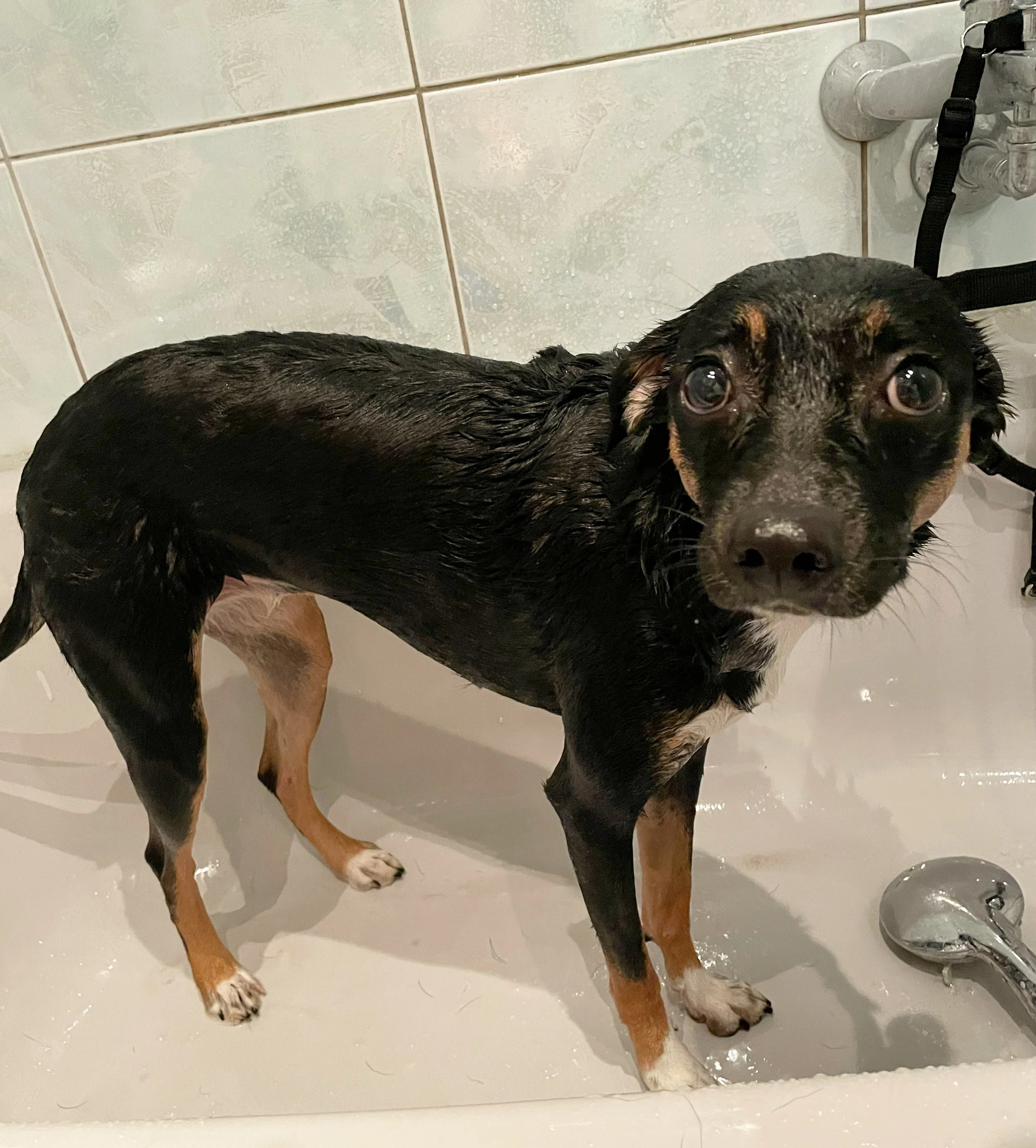
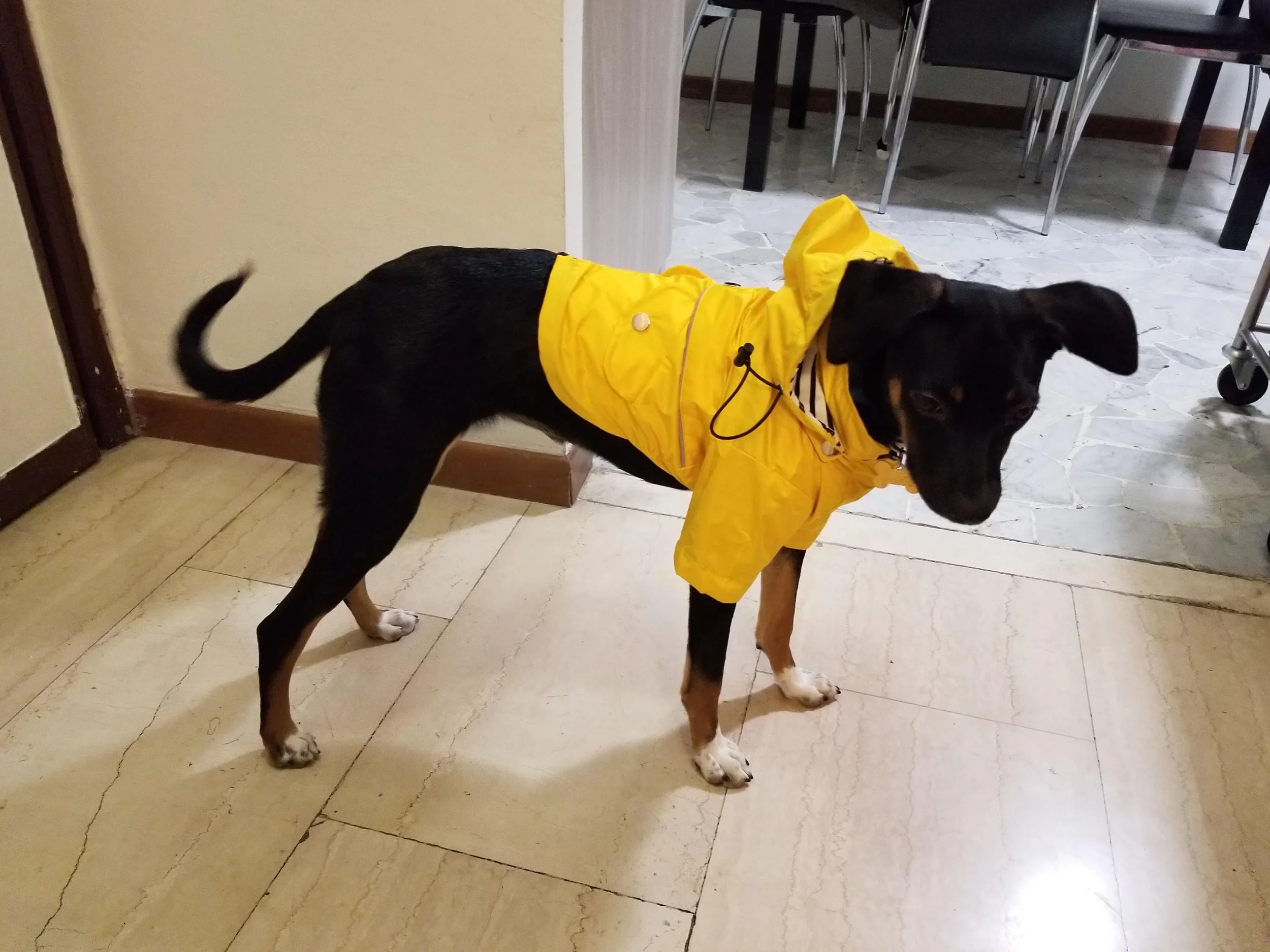
Preparation! I had about a week to prepare my home, so of course on day one I went and spent as much money as possible on dog things. Your new baby will need a comfy, size-appropriate bed, a water and food bowl, food, a few toys (I recommend buy a few different types because you don’t know what they will be interested in), a harness, a leash (although Pepper was given to me with both a a harness and leash), a name tag with your phone number(s) inscribed on it, a coat-appropriate brush and if you are adopting a puppy you should buy some potty pads. I would also recommend buying dog shampoo and having a towel just for your dog, when Pepper arrived she was really dirty for living outside at the shelter andI gave her a bath on day one. If you are adopting a puppy, keep in mind that they will grow, so take their potential size into account for their bed, harness and any clothes you might buy.
Step 5: New Family
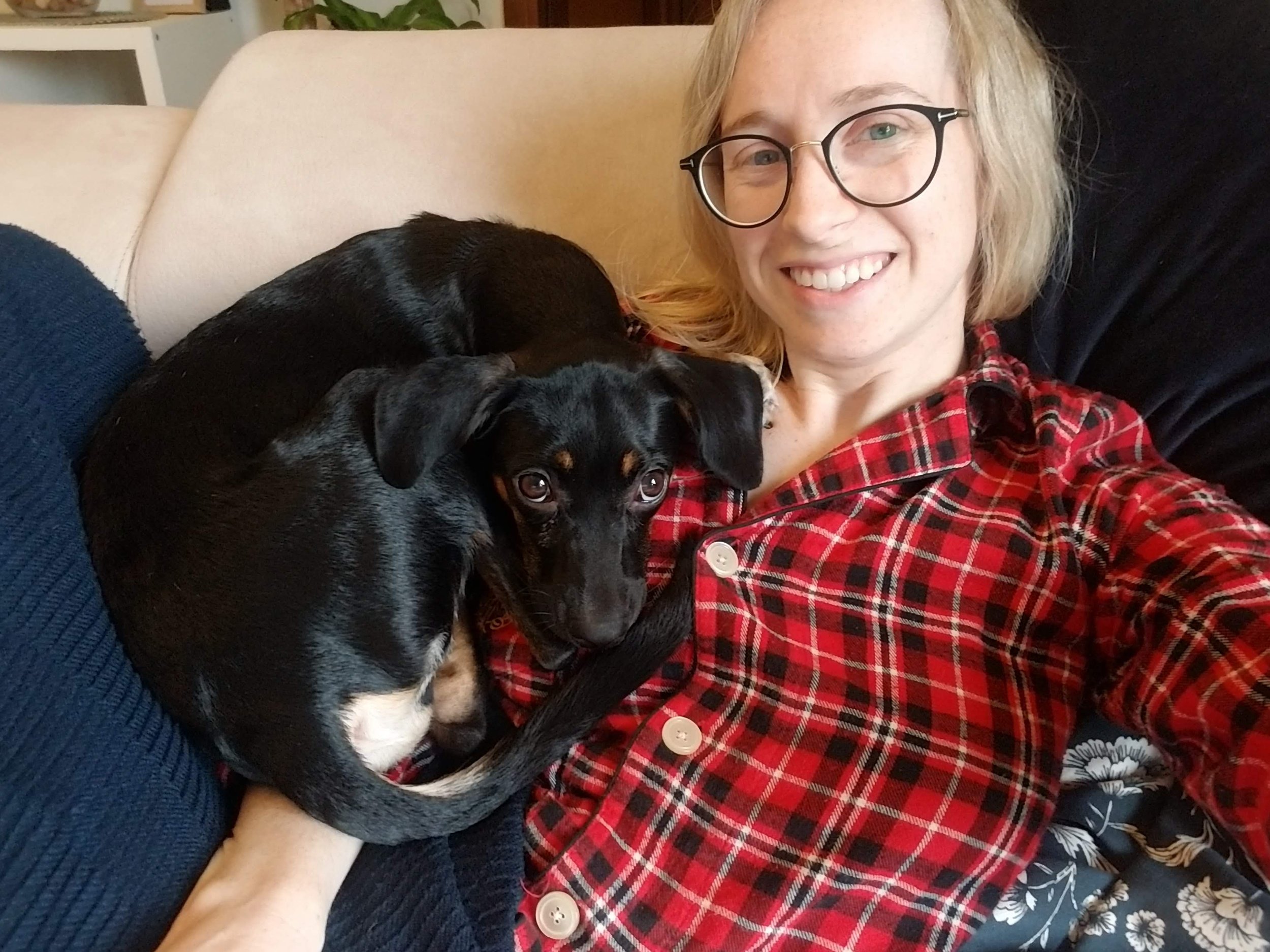
Being adopted can be a very exciting but scary process for your new pup. Be patient with them and give them time to adjust. Pepper did nothing but sleep for her first two or three days here. She was terrified of going outside, terrified of other dogs and barked at them out of fear, she was scared of the harness and leash, it took 45 minutes just to walk around our little block, and when I first took her to a tiny, empty dog park she was terrified as well and wouldn’t walk away from my side.
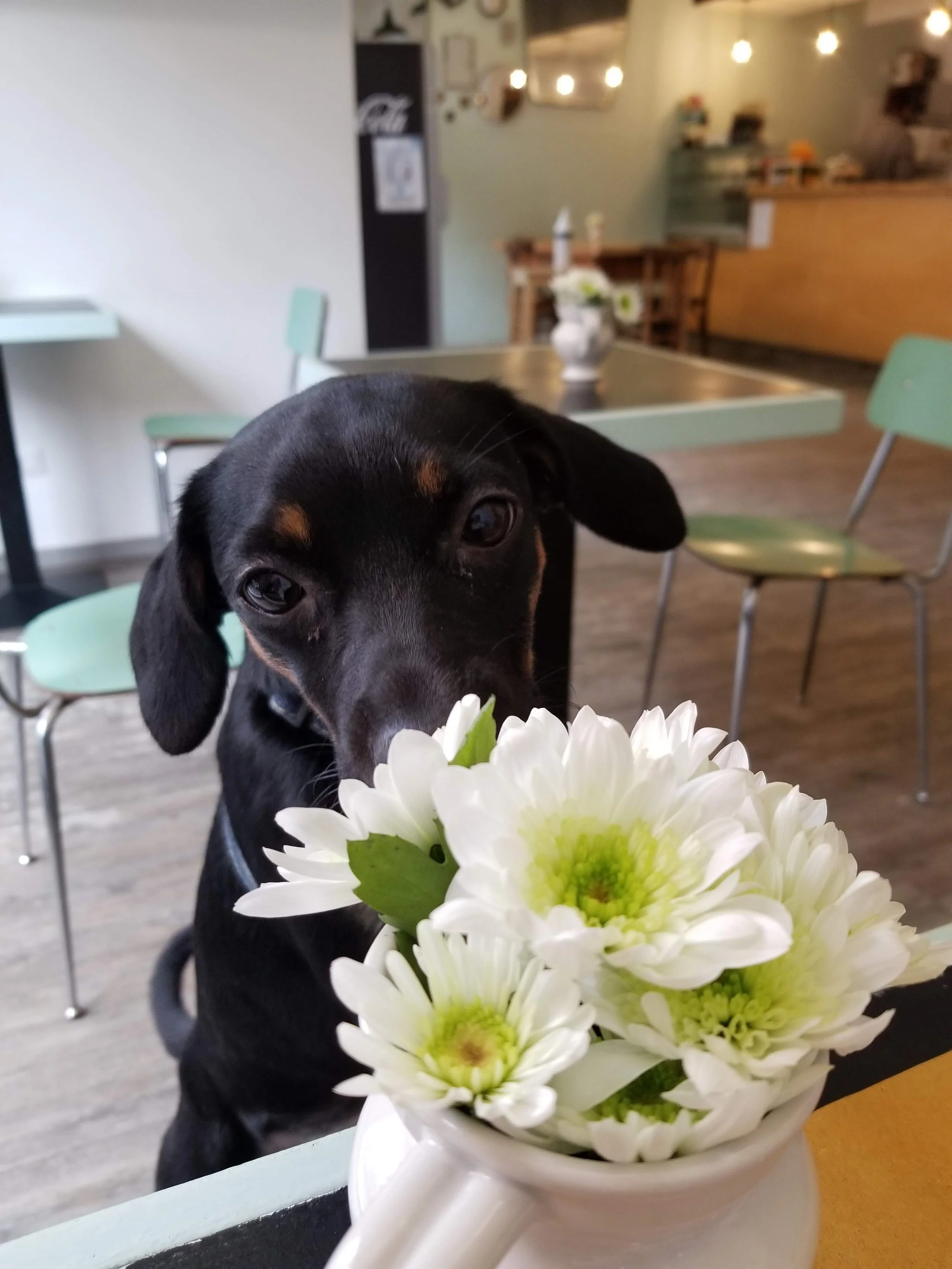
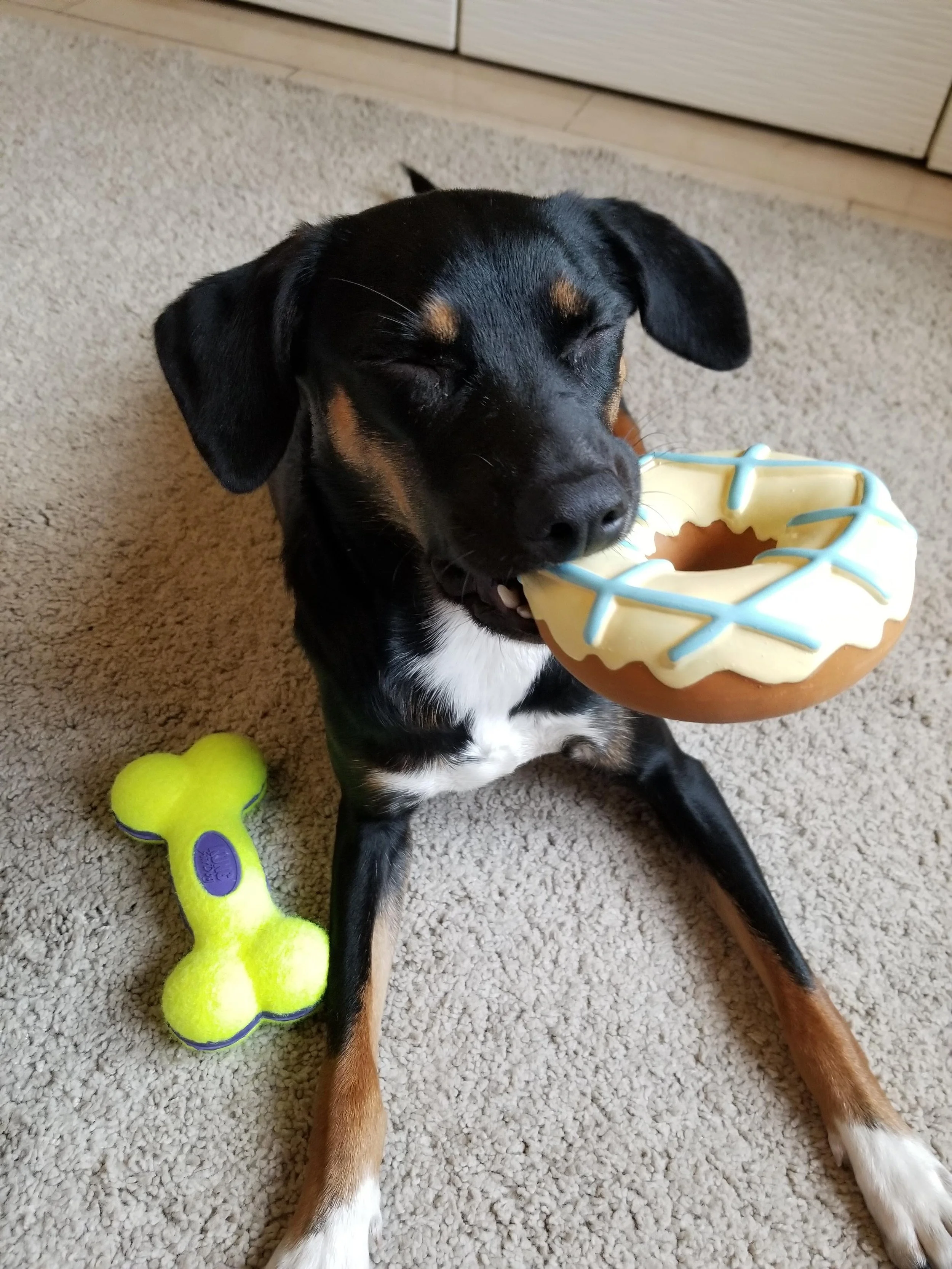
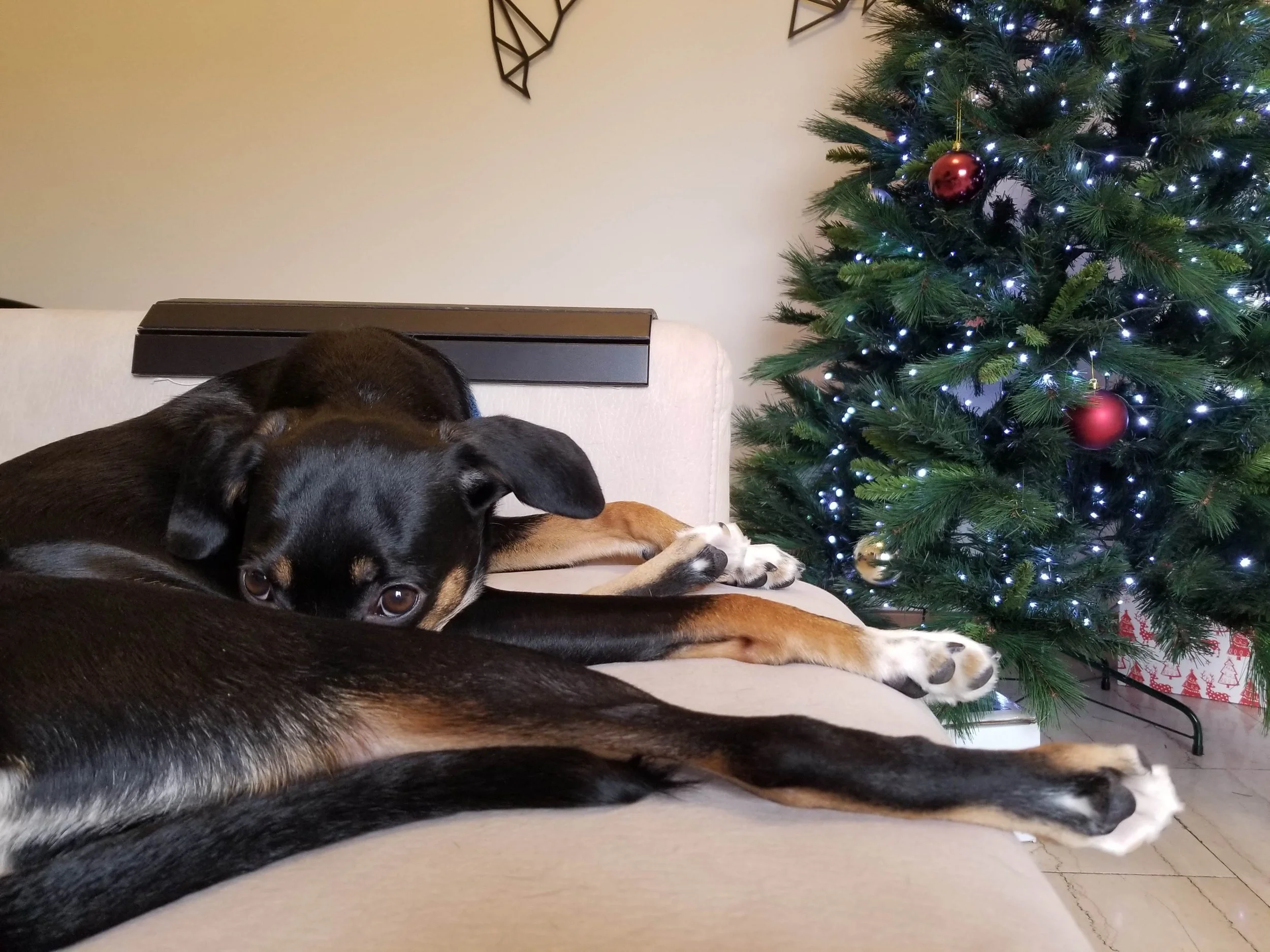
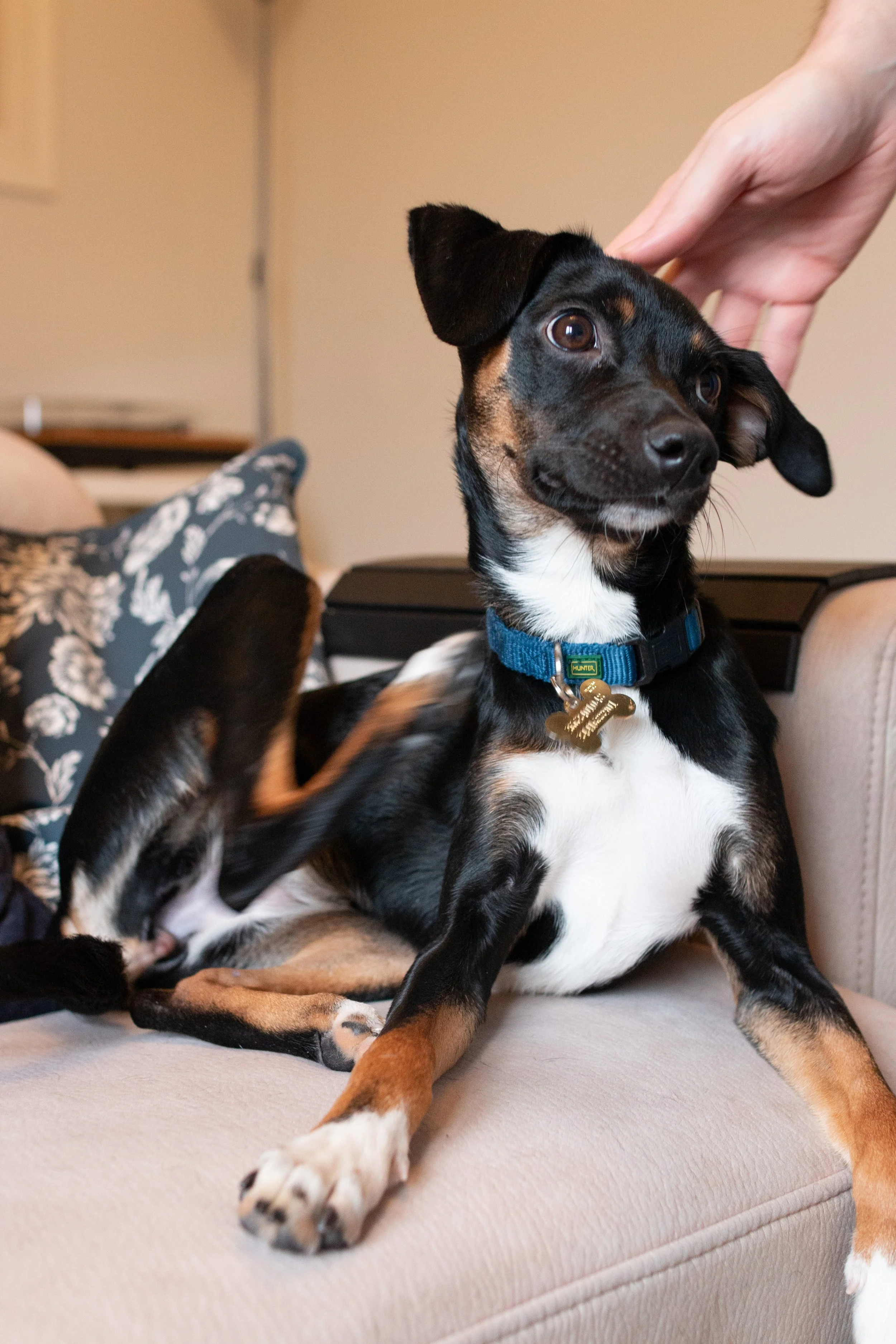
Today, Pepper is the craziest, happiest, most social dog. She is a ball of energy and loves absolutely everyone and every dog. She may have been able to adjust and open up faster because she was a puppy, but adult dogs will almost always take longer. A friend of mine adopted an adult Greyhound a few months after I adopted Pepper and she took months to adjust, she barely got out of bed for weeks, wasn’t excited for walks, wasn’t interested in people or dogs, and didn’t play with her new mom for a long time. But eventually she stated to open up (thanks to her emotional support dog friend, Pepper) and now, although still low-key and a little shy, she is goofy, affectionate and playful. They need time to learn that it is safe to relax with you and that things are secure now.
Potty training is almost guaranteed to be an issue at some point or another, be patient and prepared to lose a carpet or two, it is normal. If this is your first dog, do as much research as you can and if it is an option, training programs can change everything!
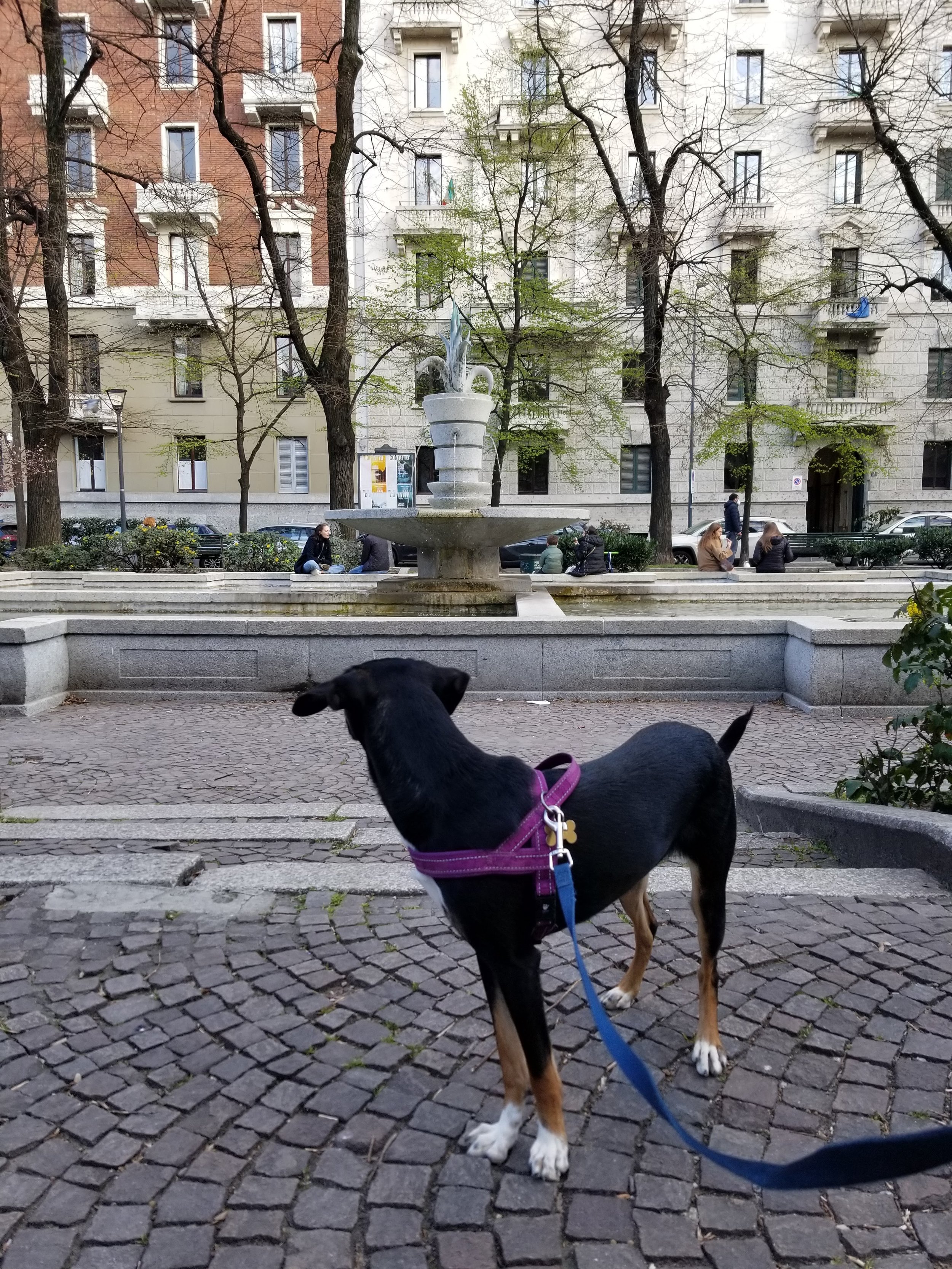
Italy is a fabulous place to have a dog because they are so much a part of the culture, it isn’t difficult to find an apartment that allows them, I would guess that half of my neighbors have dogs so there are plenty of friends for Pepper, there are dog parks of many sizes all over the place and you can take your dog into caffes, restaurants and stores. Give your new dog some time to adjust and they can become completely integrated into your life in the most wonderful way!
If you are interested in seeing updates on the world of Pepper, she has her own Instagram (I only feel a little shame for this), you can follow her at @pepper_the_animal

Photographer based in Munich, Germany